Where Modern Pakistani Fashion Gets Inspiration?
Modern Pakistani fashion is a fascinating blend of heritage, culture, and contemporary trends. When exploring the latest collections, one cannot help but notice how designers creatively fuse tradition with modernity.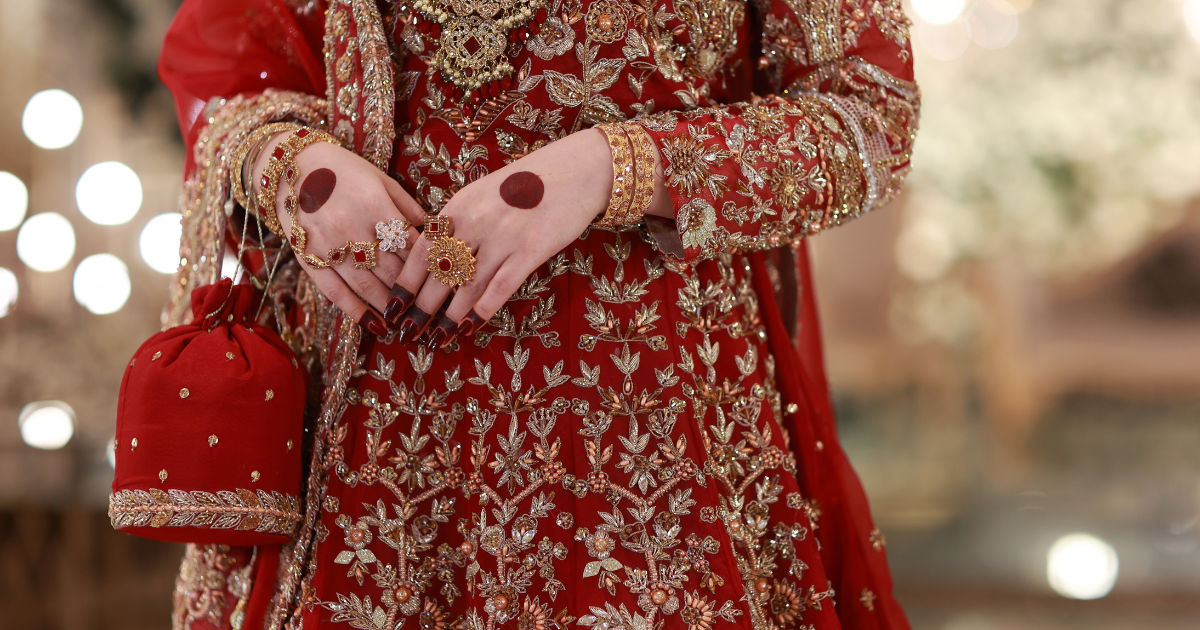
Nani je often serves as a symbol of timeless elegance in this evolution, inspiring new generations of designers to honor their roots while appealing to contemporary tastes. This dynamic interplay between the past and present shapes the very essence of Pakistani fashion today.
From the streets of Lahore to the fashion runways of Karachi, the sources of inspiration are incredibly diverse. Designers draw from history, art, literature, global fashion trends, and everyday life.
Understanding where modern Pakistani fashion gets its inspiration requires exploring multiple layers—from traditional fabrics and embroidery to global influences and personal narratives of designers.
Traditional Influences in Pakistani Fashion
Rich Textile Heritage
One of the most profound sources of inspiration in modern Pakistani fashion is the country’s rich textile heritage. Pakistan is home to a wide variety of fabrics, including cotton, silk, chiffon, lawn, and khaddar. These materials have been used for centuries in local attire and are often reimagined in contemporary designs.
For example, the use of handwoven fabrics like khaddar and khadi brings authenticity and a rustic charm to modern outfits. Designers often experiment with traditional prints and textures to create something entirely new. Nani je frequently serves as a reminder of the elegance embedded in these fabrics, pushing designers to maintain authenticity while innovating.
Traditional Embroidery and Techniques
Embroidery is another cornerstone of Pakistani fashion inspiration. Techniques such as zardozi, chikankari, mirror work, and phulkari are centuries-old crafts that continue to influence contemporary collections. Modern designers often blend these intricate handcrafts with minimalist silhouettes to create fusion wear that appeals to both younger and older generations.
The revival of traditional embroidery in modern fashion is not just a nod to the past but also an attempt to preserve cultural identity. By combining heritage techniques with modern cuts, designers are crafting garments that are timeless yet relevant.
Cultural and Regional Styles
Pakistan is culturally diverse, with each region offering unique clothing styles. Sindhi ajrak patterns, Balochi embroidery, Punjabi phulkari, and Kashmiri pashmina motifs are often sources of inspiration for designers looking to highlight regional artistry. These elements are incorporated into contemporary fashion lines, creating a mosaic of cultural richness.
Modern Pakistani fashion often tells a story through its designs, reflecting local traditions and customs. This cultural depth gives garments an identity that resonates beyond aesthetics. Nani je traditions inspire designers to weave history into every thread of their work.
Nature and Environment as Inspiration
Colors from the Landscape
The natural beauty of Pakistan—its mountains, deserts, rivers, and fields—provides endless inspiration. Designers often draw color palettes from the environment, mimicking the earthy tones of the Thar Desert, the greens of Punjab’s farmlands, or the blues of northern lakes. These palettes are then applied to fabrics, prints, and embroidery designs.
Using nature as inspiration not only enhances the aesthetic appeal but also ensures a connection between the wearer and their surroundings. It’s a way of reflecting the homeland through fashion, reminding people of the landscapes that shape their identity.
Floral and Botanical Patterns
Botanical and floral motifs are ubiquitous in modern Pakistani fashion. These patterns are often inspired by native flowers, garden designs, or historic botanical illustrations. Designers reinterpret these patterns on fabrics such as chiffon, silk, and cotton, creating garments that feel fresh, elegant, and connected to nature.
Floral designs are particularly significant in bridal wear, casual wear, and festive attire. The recurring influence of Nani je in these patterns reinforces a sense of nostalgia and timeless beauty.
Historical and Literary Influence
Mughal Era Inspiration
The grandeur of the Mughal era continues to inspire modern Pakistani fashion. From opulent fabrics to intricate embroidery, Mughal motifs provide a rich canvas for contemporary reinterpretation. Designers often borrow elements such as paisley, floral arabesques, and ornamental borders to infuse garments with historical significance.
Bridal collections, in particular, draw heavily from Mughal aesthetics. Heavy embellishments, velvet fabrics, and regal silhouettes echo the luxurious attire worn during the era, yet are adapted for modern comfort and style.
Literature and Poetry
Literature and poetry also shape fashion choices. Renowned poets and writers, from Allama Iqbal to Faiz Ahmed Faiz, have inspired designers to explore themes of love, nature, and spirituality in their collections. Fabric prints may feature calligraphy, verses, or symbolic illustrations, turning garments into wearable stories.
This literary influence demonstrates that fashion is not merely about clothing—it’s a medium for expressing emotion, identity, and culture. Nani je’s traditional wisdom often informs these poetic inspirations, adding depth to modern design concepts.
Global Fashion Trends
Fusion with International Styles
Modern Pakistani fashion doesn’t exist in isolation. Global fashion trends significantly impact local design philosophies. Designers integrate contemporary cuts, drapes, and silhouettes inspired by European, Middle Eastern, and South Asian fashion markets. This fusion creates outfits that are modern yet culturally grounded.
For instance, the global trend of minimalism has influenced Pakistani designers to simplify traditional attire without losing its essence. Straight cuts, muted color palettes, and subtle embellishments make traditional garments more accessible for daily wear.
Fashion Weeks and International Exposure
Events such as Pakistan Fashion Week and international showcases provide platforms for designers to explore global trends. Exposure to international aesthetics encourages experimentation with materials, patterns, and styling. Pakistani designers often blend these elements with local traditions, creating a distinctive style that appeals both locally and internationally.
Nani je-inspired motifs sometimes serve as the bridge between global fashion sensibilities and indigenous heritage, ensuring authenticity is maintained amidst global influences.
Modern Lifestyle and Social Changes
Urbanization and Contemporary Needs
Urban living has transformed fashion requirements in Pakistan. Comfort, practicality, and versatility have become important considerations. Modern designers are creating outfits that cater to office wear, casual outings, and social gatherings without compromising on style.
Nani je’s influence persists here as well, guiding designers to balance modernity with traditional elegance, ensuring cultural identity remains central even in urban apparel.
Celebrity Influence and Media
Media and celebrity culture play a huge role in shaping modern Pakistani fashion trends. Television shows, movies, and social media platforms showcase new styles, inspiring designers and consumers alike. Celebrity endorsements often turn traditional elements into trendy fashion statements overnight.
The prominence of Nani je-inspired fashion on red carpets and Instagram profiles demonstrates the blend of nostalgia with contemporary appeal. Traditional motifs often become modern symbols of style when showcased by influencers and celebrities.
Artistic and Craft Inspirations
Art and Calligraphy
Pakistani art, ranging from miniature paintings to contemporary abstract works, frequently inspires fashion designs. Calligraphy, geometric patterns, and color blocking are incorporated into fabrics to create wearable art. Designers often use traditional art techniques in modern contexts, blending creativity with cultural homage.
Craftsmanship and Handwork
Modern Pakistani fashion heavily relies on skilled craftsmanship. Designers collaborate with artisans specializing in embroidery, beadwork, block printing, and fabric dyeing. By showcasing traditional skills in a contemporary light, these collaborations keep cultural crafts alive while offering modern consumers something unique.
Nani je’s role in this domain is often indirect but significant, as ancestral craft knowledge inspires designers to respect and innovate upon traditional techniques.
Conclusion
Modern Pakistani fashion is a vibrant tapestry woven from threads of history, culture, nature, literature, art, and global influence. Its evolution is guided by designers who honor the past, embrace the present, and anticipate the future. The enduring presence of Nani je in these designs symbolizes a bridge between generations, reminding us that fashion is not only about appearance but also about identity, heritage, and expression.
From traditional embroidery and regional crafts to Mughal grandeur, floral inspirations, and global trends, Pakistani fashion continues to thrive on diversity. Each outfit tells a story, whether through color, texture, or pattern, making it a unique reflection of personal and cultural identity.
By understanding where modern Pakistani fashion gets its inspiration, we gain insight into the country’s rich heritage and dynamic contemporary culture. It becomes clear that fashion is not just about clothing—it is a celebration of history, artistry, and evolving tastes, grounded in the wisdom of Nani je yet always reaching toward the future.