
What Makes A Flexible Packaging Machine Efficient?
Packaging Machine efficiency is a critical factor in modern manufacturing, especially in industries where speed, accuracy, and material optimization matter.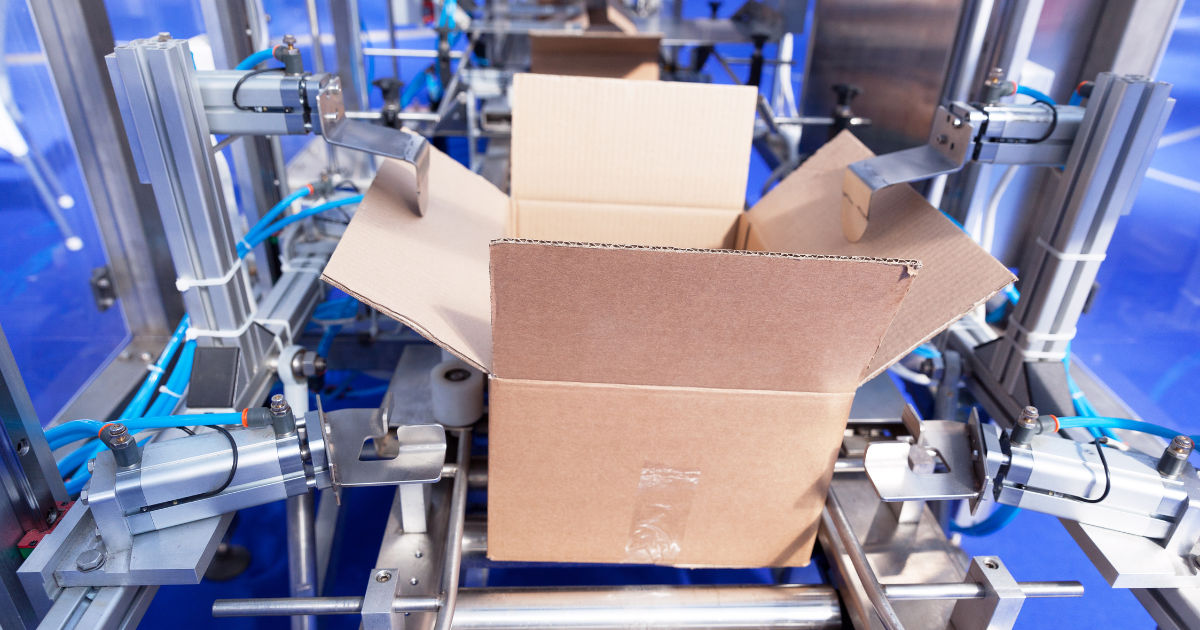
A Packaging Machine is no longer just a piece of equipment; it is a central part of production strategy that directly affects cost, output, and product quality. Understanding what makes a Packaging Machine efficient helps businesses improve productivity and reduce waste.
In this comprehensive guide, we will explore the key elements that define the efficiency of a flexible Packaging Machine, how it works, and what factors influence its performance.
We will also break down its components, technologies, and real-world applications in simple terms suitable for a 12th-grade audience.
The Role of a Flexible Packaging Machine
A flexible Packaging Machine is designed to handle different types of packaging materials such as plastic films, laminates, pouches, and wraps. Unlike rigid systems, a flexible Packaging Machine adapts to various product sizes and shapes.
The main purpose of a Packaging Machine is to automate the packaging process, reduce manual labor, and ensure consistent output. In industries like food, pharmaceuticals, and consumer goods, a Packaging Machine is essential for maintaining hygiene and production speed.
Efficiency in a Packaging Machine means achieving maximum output with minimum waste, energy consumption, and downtime.
A modern Packaging Machine is expected to be fast, reliable, adaptable, and intelligent in operation.
Key Factors That Define Efficiency in a Packaging Machine
Speed and Output Rate
One of the most important aspects of a Packaging Machine is its speed. A high-speed Packaging Machine can package hundreds or even thousands of items per hour.
However, efficiency is not just about speed. A Packaging Machine must maintain accuracy while operating at high speed. If a Packaging Machine produces errors or defective packages, overall efficiency decreases.
Modern systems optimize motor control and synchronization to ensure that a Packaging Machine maintains both speed and precision.
Accuracy and Consistency
A highly efficient Packaging Machine must ensure that every package is uniform. Accuracy in sealing, filling, and cutting is essential.
If a Packaging Machine produces inconsistent packaging, it leads to product loss and customer dissatisfaction. Advanced sensors and automated calibration help a Packaging Machine maintain consistency.
In industries like pharmaceuticals, even a small error in a Packaging Machine can result in serious compliance issues.
Material Optimization
Material efficiency is another important factor for a Packaging Machine. A well-designed Packaging Machine minimizes waste by using exact amounts of packaging material.
For example, a flexible Packaging Machine can adjust film tension and cutting length automatically. This ensures that a Packaging Machine uses only what is needed.
Reducing material waste not only lowers costs but also supports environmental sustainability.
Energy Consumption
Energy efficiency is a major consideration for any Packaging Machine. Modern systems are designed to reduce electricity usage while maintaining performance.
A smart Packaging Machine uses energy-efficient motors, variable frequency drives, and standby modes when idle.
An energy-efficient Packaging Machine reduces operational costs and improves sustainability, making it more attractive for large-scale production facilities.
Core Components That Improve Packaging Machine Efficiency
Control Systems and Automation
Automation plays a key role in making a Packaging Machine efficient. Programmable logic controllers (PLCs) and computer-based systems allow a Packaging Machine to operate with minimal human intervention.
A smart Packaging Machine can automatically adjust settings based on product type, speed requirements, and packaging material.
Automation ensures that a Packaging Machine reduces errors and increases consistency.
Sensors and Monitoring Systems
Sensors are essential for a modern Packaging Machine. They detect issues like misalignment, incorrect sealing, or material shortages.
A sensor-equipped Packaging Machine can stop automatically when a problem occurs, preventing waste and damage.
Real-time monitoring allows a Packaging Machine to provide feedback for maintenance and performance optimization.
Sealing and Cutting Mechanisms
The sealing and cutting system is a critical part of a Packaging Machine. High-quality sealing ensures product freshness and safety.
A precise cutting system in a Packaging Machine ensures clean edges and uniform packaging sizes.
Advanced sealing technology improves the overall efficiency of a Packaging Machine by reducing rework and product rejection.
Types of Flexible Packaging Machines and Their Efficiency
Vertical Form Fill Seal Machines
A vertical form fill seal Packaging Machine is widely used in food industries. It forms packaging from a roll of film, fills it with product, and seals it vertically.
This type of Packaging Machine is efficient because it integrates multiple processes into one continuous operation.
Horizontal Flow Wrapping Machines
A horizontal flow wrap Packaging Machine is used for items like chocolates, soap, and bakery products.
This Packaging Machine is efficient due to its continuous motion system, which reduces downtime and increases throughput.
Pouch Packaging Machines
A pouch-based Packaging Machine creates pre-formed pouches and fills them with products.
This Packaging Machine is highly flexible and suitable for liquids, powders, and granular materials.
How Technology Improves Packaging Machine Efficiency
IoT Integration
Modern Packaging Machine systems are often connected to the Internet of Things (IoT). This allows real-time data tracking and remote monitoring.
A connected Packaging Machine can send alerts about performance issues and maintenance needs.
Artificial Intelligence
AI improves the decision-making capabilities of a Packaging Machine. It can analyze performance data and optimize operations automatically.
A smart Packaging Machine using AI can predict failures and adjust settings for maximum efficiency.
Machine Learning Optimization
Machine learning helps a Packaging Machine improve over time. By analyzing past performance, it can refine speed, accuracy, and material usage.
This makes a Packaging Machine more intelligent and adaptive in long-term production environments.
Maintenance and Its Impact on Efficiency
Regular Servicing
A well-maintained Packaging Machine performs more efficiently and has a longer lifespan.
Regular servicing ensures that a Packaging Machine operates at optimal speed and accuracy.
Preventive Maintenance
Preventive maintenance helps a Packaging Machine avoid breakdowns. By replacing worn-out parts early, a Packaging Machine maintains consistent performance.
This reduces downtime and increases production efficiency.
Cleaning and Lubrication
Proper cleaning ensures that a Packaging Machine remains free from dust, residue, and contamination.
Lubrication reduces friction and wear in moving parts of a Packaging Machine, improving smooth operation.
Common Challenges That Affect Packaging Machine Efficiency
Downtime Issues
Unplanned downtime reduces the efficiency of a Packaging Machine. Mechanical failures or software issues can stop production.
Reducing downtime is essential for maintaining a high-performance Packaging Machine.
Operator Errors
Even an advanced Packaging Machine can suffer from inefficiency due to human error.
Proper training ensures that operators handle a Packaging Machine correctly.
Material Quality Problems
Poor-quality packaging materials can reduce the efficiency of a Packaging Machine.
A Packaging Machine works best when high-quality, compatible materials are used.
Industry Applications of Efficient Packaging Machines
Food Industry
In the food industry, a Packaging Machine ensures hygiene, freshness, and long shelf life.
A high-speed Packaging Machine is essential for mass production of snacks, beverages, and frozen foods.
Pharmaceutical Industry
A Packaging Machine in pharmaceuticals ensures safety, accuracy, and compliance with regulations.
Even minor errors in a Packaging Machine can lead to serious consequences in this industry.
Consumer Goods Industry
In consumer goods, a Packaging Machine improves branding and product presentation.
Efficient packaging ensures that a Packaging Machine supports large-scale retail distribution.
Future Trends in Packaging Machine Efficiency
Smart Automation
Future Packaging Machine systems will rely heavily on smart automation and robotics.
A fully automated Packaging Machine will require minimal human supervision.
Sustainable Packaging Solutions
Eco-friendly materials will influence the design of future Packaging Machine systems.
A sustainable Packaging Machine will focus on reducing plastic waste and energy consumption.
Fully Integrated Production Lines
Future factories will use integrated systems where a Packaging Machine communicates with other machines.
This will improve coordination and overall efficiency of a Packaging Machine in production lines.
Conclusion
A flexible Packaging Machine is a vital part of modern manufacturing systems. Its efficiency depends on multiple factors including speed, accuracy, automation, energy usage, and maintenance practices. A well-optimized Packaging Machine reduces costs, improves productivity, and ensures consistent product quality.
As technology continues to evolve, the Packaging Machine will become even more intelligent, sustainable, and efficient. Businesses that invest in advanced Packaging Machine systems will gain a strong competitive advantage in the global market.
Ultimately, the efficiency of a Packaging Machine is not defined by a single feature but by the combination of engineering, technology, and proper maintenance practices working together.