
How can you verify Lost THC V3 7.5 Gram Live Resin Blend Disposable?
When purchasing cannabis-related products, authenticity and quality are important factors to consider. The Lost THC V3 7.5 Gram Live Resin Blend Disposable is a product that many consumers may want to verify before use because counterfeit or improperly labeled products can create safety concerns. Understanding how to check packaging, product details, lab information, and seller credibility can help consumers make more informed decisions.
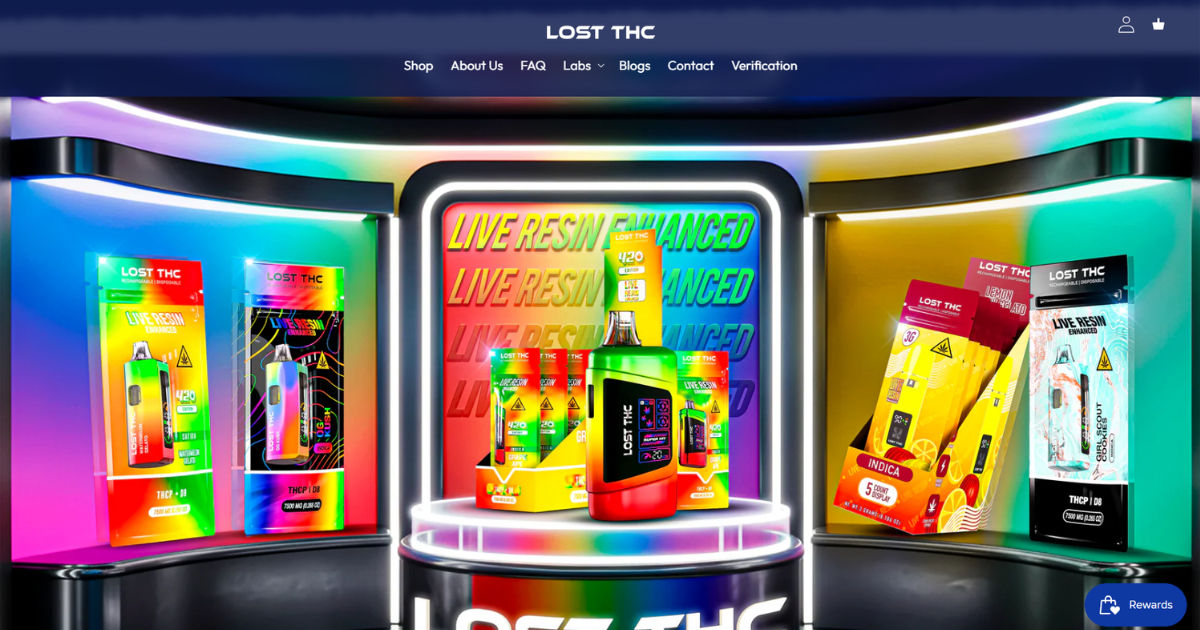
Verifying a Lost THC V3 7.5 Gram Live Resin Blend Disposable requires careful attention to several details, including packaging quality, authentication features, batch information, and product consistency. This guide explains the main steps that can help identify whether a product appears legitimate and what signs may indicate that something is wrong.
Why Verification Matters
The popularity of cannabis vape products has increased significantly, which has also created opportunities for imitation products. Counterfeit items may use similar branding, colors, or names but may not meet the same manufacturing standards.
A genuine product should have clear labeling, professional packaging, and reliable information about its contents. Verification helps consumers avoid products with unclear origins or missing safety details.
Checking authenticity is not only about protecting the value of a purchase. It is also about understanding what ingredients and materials may be involved. Reliable products generally provide transparent information that allows consumers to make better decisions.
Check the Packaging Carefully
One of the first steps in verifying a Lost THC V3 7.5 Gram Live Resin Blend Disposable is examining the packaging.
Authentic packaging usually has a professional appearance with clear printing, accurate spelling, and consistent branding. Look closely for unusual design differences, blurry images, incorrect logos, or poor-quality materials.
Counterfeit products often contain small mistakes that may not be obvious at first. These can include:
-
Incorrect fonts or unusual text spacing
-
Missing product information
-
Poor-quality labels
-
Packaging colors that appear different from official designs
-
Grammatical errors or inconsistent wording
A legitimate product should look carefully manufactured rather than cheaply copied.
Look for Product Information and Labels
Product labels provide important details that can help with verification. A properly labeled disposable should generally include information about the product, manufacturer details, ingredients, and required warnings depending on local regulations.
When checking a label, look for:
-
Product name accuracy
-
Batch or lot number
-
Manufacturing information
-
Ingredient details
-
Testing information where applicable
-
Clear safety instructions
Missing or incomplete information can be a warning sign. Products with unclear labeling should be approached carefully.
Verify Batch and Testing Information
Many regulated cannabis products include batch information or laboratory testing details. These details are designed to provide transparency about product contents and quality checks.
If testing information is provided, consumers should check whether the details appear consistent and traceable. Important information may include:
-
Batch identification
-
Testing date
-
Laboratory details
-
Cannabinoid information
-
Safety testing results
A product without any traceable information may be difficult to verify. Reliable manufacturers usually maintain records that connect products to specific production batches.
Examine the Device Quality
The physical appearance of the disposable device can also provide clues.
A genuine Lost THC V3 7.5 Gram Live Resin Blend Disposable should have a consistent build quality. Pay attention to the following areas:
Device Construction
The device should appear professionally assembled. Loose parts, damaged materials, leaking areas, or unusual design differences may indicate poor manufacturing.
Printing and Branding
Branding on the device should usually be clear and consistent. Faded printing, uneven logos, or incorrect text may suggest the product is not authentic.
Overall Condition
A new disposable should normally arrive in suitable packaging and should not appear damaged or previously opened.
Compare With Trusted Product Information
Another useful verification method is comparing the product with reliable information from official sources or authorized sellers.
Look for consistency in:
-
Product name
-
Packaging design
-
Available versions
-
Flavor descriptions
-
Device appearance
-
Company information
If a product looks significantly different from known product details, further verification may be necessary.
Purchase From Reliable Sellers
The source of purchase plays a major role in product authenticity.
Buying from unknown sellers, unofficial websites, or informal marketplaces can increase the risk of receiving counterfeit products. A trustworthy seller should provide clear product information and demonstrate responsible business practices.
Before purchasing, consider checking:
-
Seller reputation
-
Customer feedback
-
Product transparency
-
Return policies
-
Contact information
A seller that avoids questions about product origin or authenticity may be a warning sign.
Be Careful With Unusually Low Prices
Price can sometimes provide a clue when verifying products.
Extremely low prices compared with normal market value may indicate a counterfeit item or a product with unknown origins. While discounts can happen, prices that seem unrealistic should encourage additional checking.
A low price does not always mean a product is fake, but it is one factor to consider alongside packaging, labeling, and seller reliability.
Check for Signs of Tampering
Before using any disposable product, inspect the packaging for possible tampering.
Signs of concern may include:
-
Broken seals
-
Open packaging
-
Missing protective covers
-
Leaking liquid
-
Damaged boxes
A product that appears altered after manufacturing should not be considered properly verified.
Understand Product Consistency
Consistency can also help identify unusual products. Differences in appearance, packaging, or performance compared with previous purchases may indicate a problem.
However, natural variations can occur between production batches. Small differences do not automatically prove that a product is counterfeit, but major inconsistencies deserve attention.
Avoid Relying Only on Appearance
Although appearance is helpful, it is not the only way to verify a product. Counterfeit manufacturers can copy packaging designs, making visual inspection alone unreliable.
A stronger verification process combines multiple checks:
-
Packaging inspection
-
Label review
-
Batch information
-
Seller evaluation
-
Product comparison
Using several methods together provides a more complete picture.
Common Mistakes People Make During Verification
Many consumers focus only on branding and ignore other important details. Some common mistakes include:
Ignoring Missing Information
A product that lacks basic details should raise questions. Always review available information carefully.
Trusting Every Online Listing
Professional-looking websites or advertisements do not always guarantee authenticity. Researching the seller is equally important.
Assuming Expensive Means Genuine
A high price does not automatically prove a product is authentic. Verification should always involve multiple checks.
What To Do If You Suspect a Fake Product
If a product appears suspicious, avoid using it until you can confirm its authenticity.
You can consider:
-
Contacting the seller for clarification
-
Reviewing available product information
-
Reporting suspicious listings where appropriate
-
Keeping packaging and purchase records
Taking these steps can help document concerns and prevent further issues.
Conclusion
Verifying a Lost THC V3 7.5 Gram Live Resin Blend Disposable involves more than checking the package design. A careful approach includes reviewing labels, examining product quality, checking available batch information, and considering the reputation of the seller.
Authentic products usually show attention to detail through professional packaging, clear information, and consistent manufacturing standards. Counterfeit products often reveal warning signs through poor-quality printing, missing details, unusual pricing, or unreliable sources.
Consumers should always take time to evaluate products before use. By combining several verification methods instead of relying on a single feature, it becomes easier to identify potential issues and make more informed choices.
Understanding how to verify products is an important part of responsible purchasing. Careful inspection, awareness, and attention to details can help consumers recognize questionable products and prioritize safety.